Garment Steamer vs Steam Iron: Which One Is Actually Right for Your Wardrobe?
A garment steamer is best for quick refreshes of hanging clothes, delicate fabrics, knitwear and travel. A steam iron is best for crisp creases, collars, cuffs and anything that needs a flat, pressed finish.
A steamer can’t replace an iron for business shirts and tailored trousers, and an iron is the wrong tool for knits, sequins and garments that crush easily.
Many households that care about their clothes end up needing both. A full ironing system with dry steam and vertical steaming covers most of what both tools do in one unit.
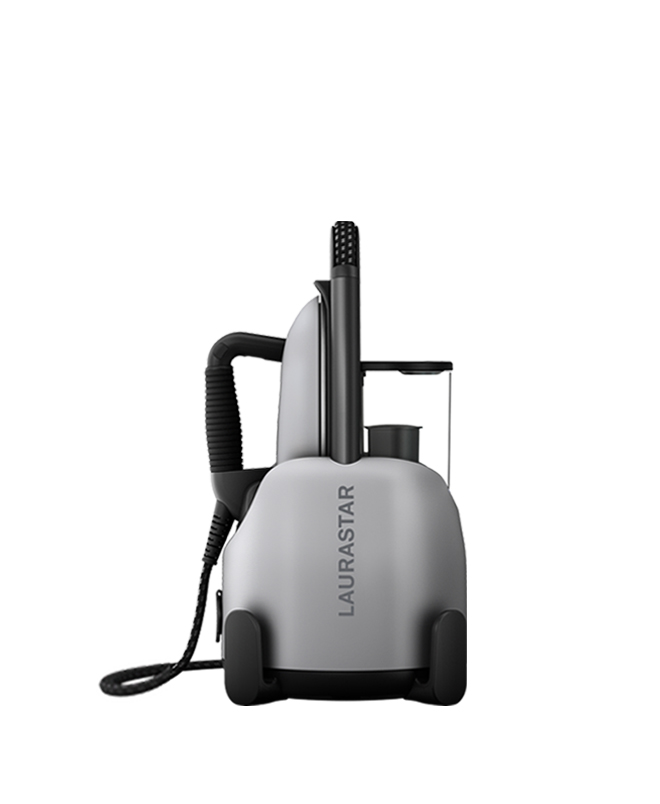
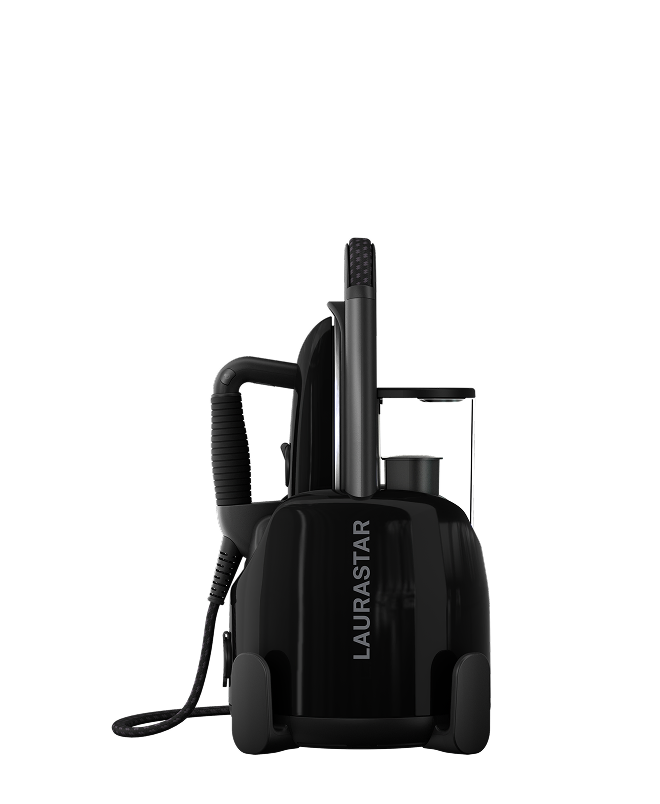
Laurastar’s IZZI Plus suits steaming and travel, the Lift steam stations suit shirts on your own board, and the Smart and S range ironing systems suit mixed wardrobes ironed every week.
A garment steamer is the better choice for quick refreshes, delicate fabrics and travel. A steam iron is the better choice for crisp creases, sharp collars and anything that needs to look pressed. Neither does the other’s job well, which is why the right answer depends less on which tool is “better” and more on what’s hanging in your wardrobe.
Here’s what each one does, which suits every type of garment, where a full ironing system outperforms both, and which Laurastar fits which kind of wardrobe.
What a garment steamer does
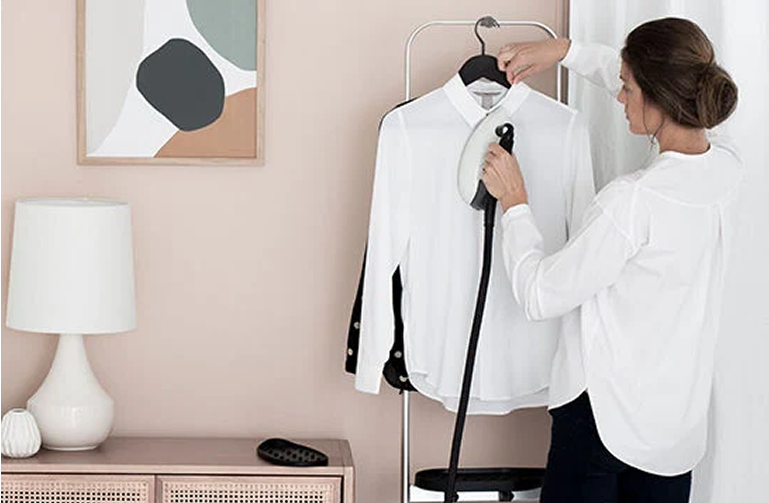
A garment steamer works on clothes while they hang. It sends steam into the fabric, the fibres relax, and gravity pulls the creases out. There’s no board, no pressure and no direct contact between a hot plate and the fabric, which is what makes steaming so gentle.
That makes a steamer ideal for refreshing clothes between wears, getting travel creases out of a dress or blazer, and caring for fabrics that don’t like being pressed flat, such as knitwear, velvet and anything with texture. Good steamers also freshen fabric and can be used on curtains, cushions and other soft furnishings around the home.
The limitation is the finish. A steamer relaxes creases but can’t create them. It won’t give you a sharp trouser crease, a crisp collar or a flat placket, because there’s nothing to press against.
The quality of the steam makes a difference too. Many budget handheld steamers produce wet steam that spits water and leaves damp patches, which is a problem on silk and dark fabrics. Our guide to the best handheld steamers in Australia covers what separates a good steamer from a frustrating one.
What a steam iron does
A steam iron combines heat, pressure and steam on a flat board. The steam relaxes the fibres, and the hot soleplate presses them into place. That pressure is what creates crisp results: sharp creases in trousers, flat collars and cuffs, smooth shirt fronts and well-pressed linen.
The trade-off is risk. Direct heat and pressure can scorch fabric, leave a shine on dark wool or flatten texture, and most irons rely on you choosing the right temperature setting for every garment. Ironing also takes longer to set up than steaming, so it’s less convenient for a single item on the way out the door.
The garment table shows the problem most wardrobes run into. If you own business shirts and silk, tailored trousers and knitwear, you need the crisp finish of an iron and the gentleness of a steamer, often in the same week.
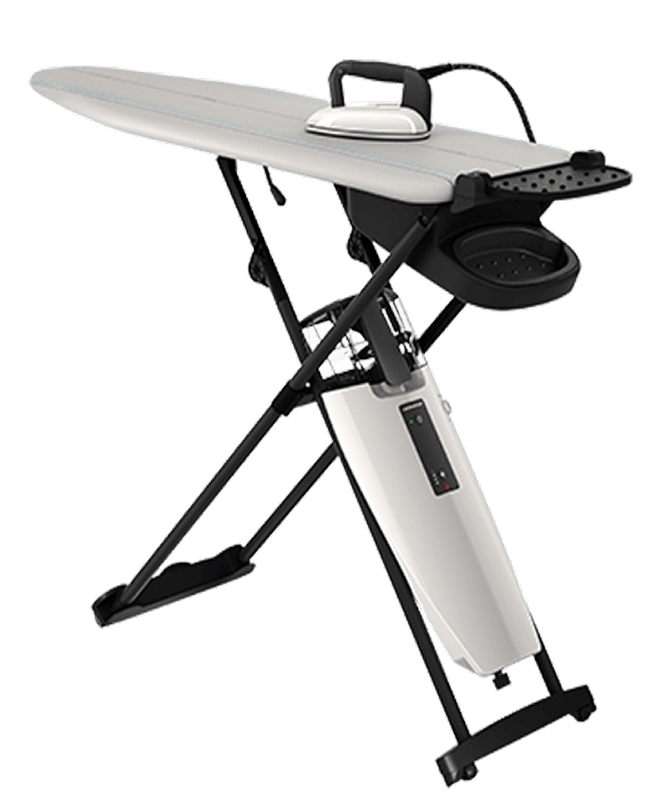
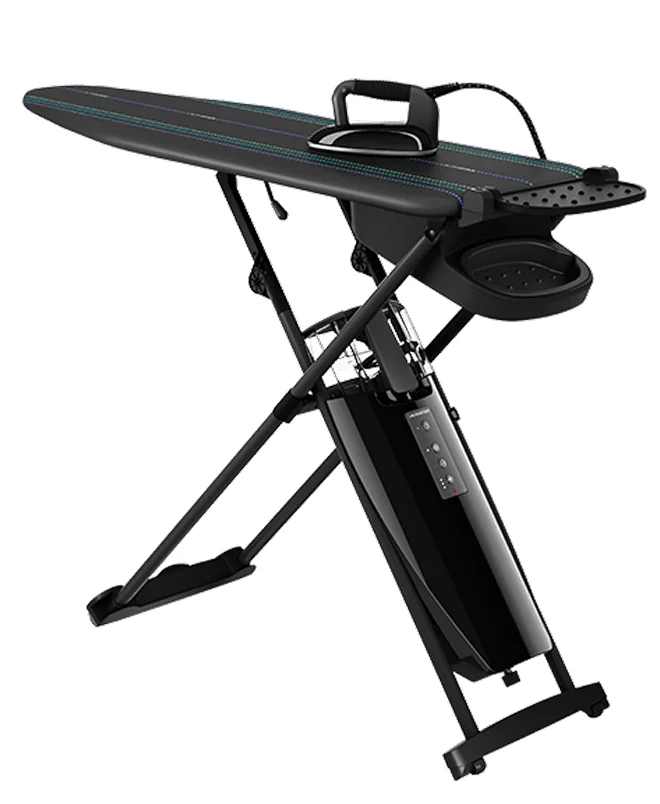
A full ironing system with dry steam closes most of that gap. Laurastar’s Dry Microfine Steam (DMS) is dry rather than wet, so it relaxes fibres without leaving moisture on the surface, and it doesn’t depend on a fabric-specific temperature setting. That removes the main causes of damage that make delicates risky under a conventional iron: water spots, shine from the wrong setting and fabric left damp.
The system’s active board adds what a standalone iron can’t. Its vacuum function holds garments flat and draws steam through them for a crisp press, while its blower lifts delicate fabrics on a cushion of air so they aren’t crushed against the board. Laurastar’s systems also steam vertically, so you can refresh a blazer or dress on its hanger the way you would with a steamer.
The result is crisp shirts and trousers from the same unit that handles silk and wool gently, without changing settings or switching tools. If you iron every week and own a mix of fabrics, it’s the option that removes the “steamer or iron” question altogether. The current systems are in Laurastar’s ironing systems range.
Common mistakes when choosing between them
Buying a steamer to replace an iron is the most common one. A steamer is excellent for what it does, but if most of your wardrobe is business shirts and tailored trousers, you’ll still want something that presses.
Pressing knitwear with an iron is the reverse mistake. Direct pressure flattens the knit and can felt fine wool and cashmere, while a steamer relaxes creases without touching the surface.
Choosing a cheap steamer for delicates causes its own problems. If the steam is wet, it can spit water onto silk and leave marks, which defeats the purpose of steaming in the first place.
Finally, comparing on price alone misses how long each will last. A tool you replace every few years, or one that damages a good garment, can cost more over time than one bought for the long term.
Frequently asked questions about garment steamers and steam irons
Is a garment steamer better than a steam iron?
Neither is better overall. A garment steamer is better for quick refreshes, delicates, knitwear and travel, while a steam iron is better for crisp creases, collars and a pressed finish. Many households use both, or a full ironing system that covers most of what both do.
Can a garment steamer replace an iron?
Not for everything. A steamer removes creases from hanging garments but can’t press a sharp trouser crease or a crisp shirt collar. If your wardrobe is mostly business shirts and tailored trousers, you’ll still need an iron.
Is steaming better for clothes than ironing?
Steaming is gentler because there’s no direct heat or pressure on the fabric, which makes it safer for delicates and knits. Ironing with dry steam on a well-padded board also protects fabric while giving a crisper finish.
Should I steam or iron silk?
Steaming is usually the safer choice for silk, since direct heat and wet steam can leave shine or water marks. If you prefer a pressed finish, use dry steam, a low-pressure approach and work on the reverse side.
What should I look for in the best garment steamer?
Look for dry steam that doesn’t spit water, a high steam temperature, continuous use without waiting between refills and a design suited to delicate fabrics. Laurastar’s IZZI Plus uses dry steam above 150°C, runs on tap water and can be refilled as you go.
Do garment steamers kill bacteria?
Some do. Laurastar states that independent ISO 17025-certified laboratory tests show the IZZI Plus kills 99.999% of viruses, bacteria and fungi on fabric. Results vary widely between steamers, so check the testing behind any hygiene claim.
The right choice comes down to what you wear and how often you iron. If you’d like to see a steamer and an ironing system side by side on your own clothes, Laurastar’s showrooms in Melbourne, Sydney, Brisbane and Perth will demonstrate both on a garment you bring in.